Your sofa is one of the most frequently used pieces of furniture in your home. It serves as a place for family gatherings, movie nights, relaxation, and even occasional naps. However, daily use exposes it to dust, dirt, food crumbs, pet hair, bacteria, allergens, and spills. While many homeowners attempt DIY cleaning to save money, using the wrong techniques can permanently damage your furniture.
Many upholstery materials require specialized care. Excessive moisture, harsh chemicals, and aggressive scrubbing can weaken fabric fibers, fade colors, create mold growth, or even shorten your sofa’s lifespan. Professional upholstery cleaners often see furniture damaged by common DIY mistakes that could have been avoided.
In this guide, Alrukam’ll explore the 15 most common sofa cleaning mistakes and explain how you can protect your investment.
Why Proper Sofa Cleaning Matters
Regular sofa cleaning isn’t only about appearance.
Proper maintenance helps:
- Extend furniture lifespan
- Remove dust mites and allergens
- Eliminate bacteria
- Improve indoor air quality
- Prevent unpleasant odors
- Preserve upholstery color
- Protect expensive furniture investments
1. Using Too Much Water
One of the biggest sofa cleaning mistakes is soaking the fabric.
Excess moisture can:
- Cause mold growth
- Damage foam padding
- Leave water stains
- Produce unpleasant odors
- Weaken wooden frames
2. Ignoring the Manufacturer’s Cleaning Code
Every sofa comes with cleaning instructions.
Common upholstery codes include:
- W – Water-based cleaners
- S – Solvent cleaners only
- WS – Both water and solvent cleaners
- X – Vacuum only
Ignoring these labels can permanently damage fabric.
Always identify the cleaning code before attempting any stain removal.
3. Using Harsh Household Cleaners
Bleach, ammonia, laundry detergent, and multipurpose sprays are not designed for upholstery.
These products may:
- Fade colors
- Break down fibers
- Leave sticky residue
- Damage protective coatings
Always choose pH-balanced upholstery cleaners suitable for your sofa material.
4. Scrubbing Stains Too Hard
When a spill happens, many people immediately scrub the stain aggressively.
Unfortunately, this often:
- Pushes stains deeper
- Frays fabric
- Causes discoloration
- Wears out upholstery fibers
Instead, gently blot the stain using a clean microfiber cloth.
5. Skipping a Spot Test
Every cleaning product reacts differently depending on fabric type.
Always test cleaners on an unseen area before cleaning the visible surface.
This simple step prevents:
- Color bleeding
- Fabric discoloration
- Chemical reactions
- Permanent damage
6. Waiting Too Long to Clean Spills
Fresh stains are much easier to remove than dried ones.
Leaving spills untreated allows:
- Liquids to penetrate foam
- Permanent staining
- Odor development
- Bacterial growth
Clean spills immediately using the correct cleaning method.
7. Using the Wrong Cleaning Equipment
Household carpet cleaners are not always suitable for sofas.
Improper equipment may:
- Over-wet cushions
- Damage delicate fabrics
- Leave detergent residue
- Cause shrinkage
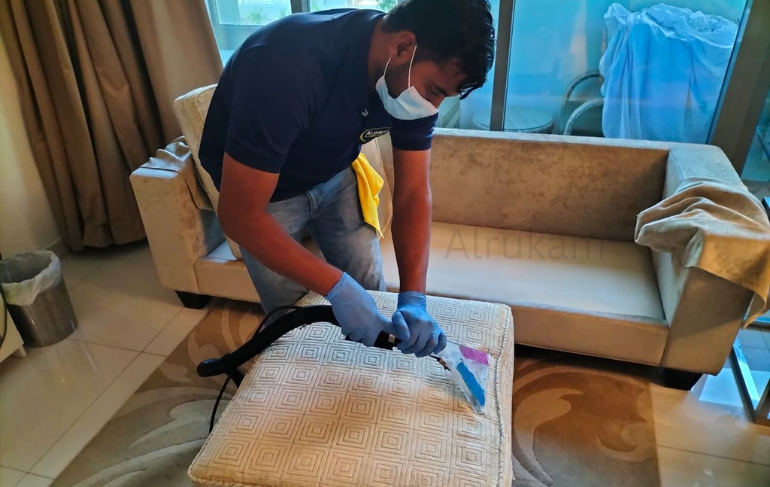
Professional upholstery machines use controlled water extraction for safer cleaning.
8. Not Vacuuming Regularly
Vacuuming removes:
- Dust
- Pet hair
- Crumbs
- Allergens
- Dirt particles
Without routine vacuuming, abrasive dirt wears down upholstery fibers every time someone sits on the sofa.
Experts recommend vacuuming upholstery weekly and more often in homes with pets.
9. Using Steam on Every Fabric
Steam cleaning is highly effective—but not for every sofa.
Some delicate materials can shrink or discolor under excessive heat.
Professional cleaners first identify the fabric before selecting steam, foam, or dry cleaning methods.
10. Forgetting to Dry the Sofa Properly
Even correctly cleaned sofas need proper drying.
Poor drying can result in:
- Mold
- Mildew
- Musty odors
- Cushion deterioration
Increase ventilation by opening windows or using fans to speed drying.
11. Applying Too Much Cleaning Solution
More detergent doesn’t mean better cleaning.
Excess cleaner often leaves residue that:
- Attracts dirt
- Makes fabric sticky
- Causes discoloration
- Requires additional cleaning
Always use the recommended amount.
12. Ignoring Leather Care
Leather sofas require completely different maintenance than fabric upholstery.
Common mistakes include:
- Using vinegar
- Applying alcohol-based wipes
- Skipping conditioning
- Excessive moisture
Leather should be cleaned using products specifically designed for leather furniture.
13. Using DIY Cleaning Recipes Without Research
Internet cleaning hacks are not always safe.
Common DIY mixtures may:
- Alter fabric color
- Damage coatings
- Leave chemical residue
- Weaken fibers
Before trying homemade solutions, verify they are suitable for your upholstery type.
14. Cleaning Too Infrequently
Many homeowners only clean their sofa when visible stains appear.
However, invisible contaminants accumulate daily:
- Dust mites
- Allergens
- Sweat
- Skin oils
- Food particles
- Pet dander
Professional deep cleaning every 6–12 months helps maintain hygiene and extends the life of your furniture.
15. Trying to Remove Every Stain Yourself
Some stains require professional treatment.
Examples include:
- Ink
- Wine
- Coffee
- Blood
- Grease
- Pet urine
Incorrect DIY removal attempts often make stains permanent.
Professional technicians use fabric-specific cleaning methods that safely remove stubborn stains while protecting upholstery.
"I had no idea that simple cleaning mistakes could cause so much damage to a sofa. This article clearly explains what to avoid and offers practical tips that anyone can follow. The advice about using the right cleaning products and knowing when to call professionals was especially useful. If you're looking to keep your furniture in excellent condition, this guide is definitely worth reading. Great insights and very well written! "
Rashid malik,Dubai Marina Tweet
Signs Your Sofa Needs Professional Deep Cleaning
Consider hiring professional sofa cleaners if you notice:
- Persistent odors
- Allergy symptoms indoors
- Visible stains
- Dust buildup
- Pet hair embedded in fabric
- Mold smell
- Dingy upholstery
- Sticky cushions
Sofa Maintenance Tips
Keep your sofa looking new by following these simple practices:
- Vacuum weekly
- Rotate cushions regularly
- Clean spills immediately
- Avoid direct sunlight
- Keep pets groomed
- Use fabric protectors
- Schedule professional deep cleaning every 6–12 months
- Follow the manufacturer’s care instructions
- Avoid harsh chemicals
- Use the correct cleaning products for your upholstery type
Why Choose Professional Sofa Deep Cleaning in Dubai?
Professional sofa cleaning provides benefits that DIY methods often cannot match:
- Deep removal of dust, bacteria, and allergens
- Fabric-specific cleaning techniques
- Controlled moisture extraction to reduce the risk of mold
- Safe stain removal without damaging upholstery
- Faster drying times
- Extended furniture lifespan
- Improved indoor hygiene
For homes in Dubai, regular professional cleaning also helps combat the buildup of fine dust and pollutants that settle deep into upholstery.
Final Thoughts
Avoiding these 15 sofa cleaning mistakes can significantly extend the life of your furniture and keep your home cleaner and healthier. While routine vacuuming and prompt spill treatment are essential, some cleaning tasks are best left to trained professionals. By using the right products, following your sofa’s care instructions, and scheduling periodic deep cleaning, you can preserve your upholstery’s appearance, comfort, and durability for years to come.
If your sofa has stubborn stains, lingering odors, or heavy dust buildup, consider booking a professional sofa deep cleaning service in Dubai to restore its freshness safely and effectively.
Frequently Asked Questions (FAQs)
- What are the most common sofa cleaning mistakes?
The most common sofa cleaning mistakes include using too much water, applying harsh chemicals, scrubbing stains aggressively, ignoring the manufacturer’s cleaning instructions, and failing to vacuum regularly. These mistakes can damage upholstery, cause discoloration, and shorten your sofa’s lifespan.
- How often should I deep clean my sofa?
Experts recommend professional sofa deep cleaning every 6 to 12 months. If you have children, pets, or allergy sufferers at home, cleaning every 3 to 6 months is ideal to remove dust, allergens, bacteria, and stubborn stains.
- Can I use household cleaners on my sofa?
Not all household cleaners are safe for upholstery. Products containing bleach, ammonia, or strong chemicals can damage fabric fibers and fade colors. Always use upholstery-specific cleaning products and follow the care label instructions.
- Is steam cleaning safe for all sofas?
No. Steam cleaning is suitable for many fabric sofas but may damage delicate materials such as silk, velvet, or certain natural fibers. Always check the manufacturer’s cleaning code or consult a professional before steam cleaning.
- Why does my sofa smell bad after cleaning?
A sofa may develop unpleasant odors after cleaning if too much water is used or if it doesn’t dry completely. Excess moisture can lead to mold and mildew growth inside the cushions. Proper drying and professional extraction equipment help prevent this issue.